After everything they gave us, most of us reach a point where we ask: what can I possibly give back to my mother and father? Islam's answer is startling in its generosity — you can give them deeds. Charity in their name reaches them, in life and after it, and ongoing charity reaches them continuously.
The Precedent: The Well of Umm Sa'd
When the mother of Sa'd ibn Ubadah (RA) passed away in his absence, he asked the Prophet ﷺ: “Will it benefit her if I give charity on her behalf?” The Prophet ﷺ said: “Yes.” Sa'd asked which charity is best; the Prophet ﷺ replied: “Water.” So Sa'd dug a well and said, “This is for Umm Sa'd” (Abu Dawud, an-Nasa'i). Fourteen centuries later, building a well in a parent's name remains the most beloved form of this gift.
For Deceased Parents
Scholars agree the reward of charity reaches the deceased — covered in depth in our guide to Sadaqah Jariyah for the deceased. For parents there is something extra: the hadith of Sahih Muslim names “a righteous child who prays for him” among the three things that continue after death. You are not only sending reward to your parent — you are their continuing deed. Every well you fund, every dua you make, flows from the child they raised.
For Living Parents
You need not wait. Give in their name now and let them witness it: a mother who sees photos of the well carrying her name, a father who knows a child is memorising Qur'an through his gift. Scholars affirm the reward accrues to the one in whose name the charity is given, while you earn the immense reward of birr al-walidayn — kindness to parents — on top.
The Best Options
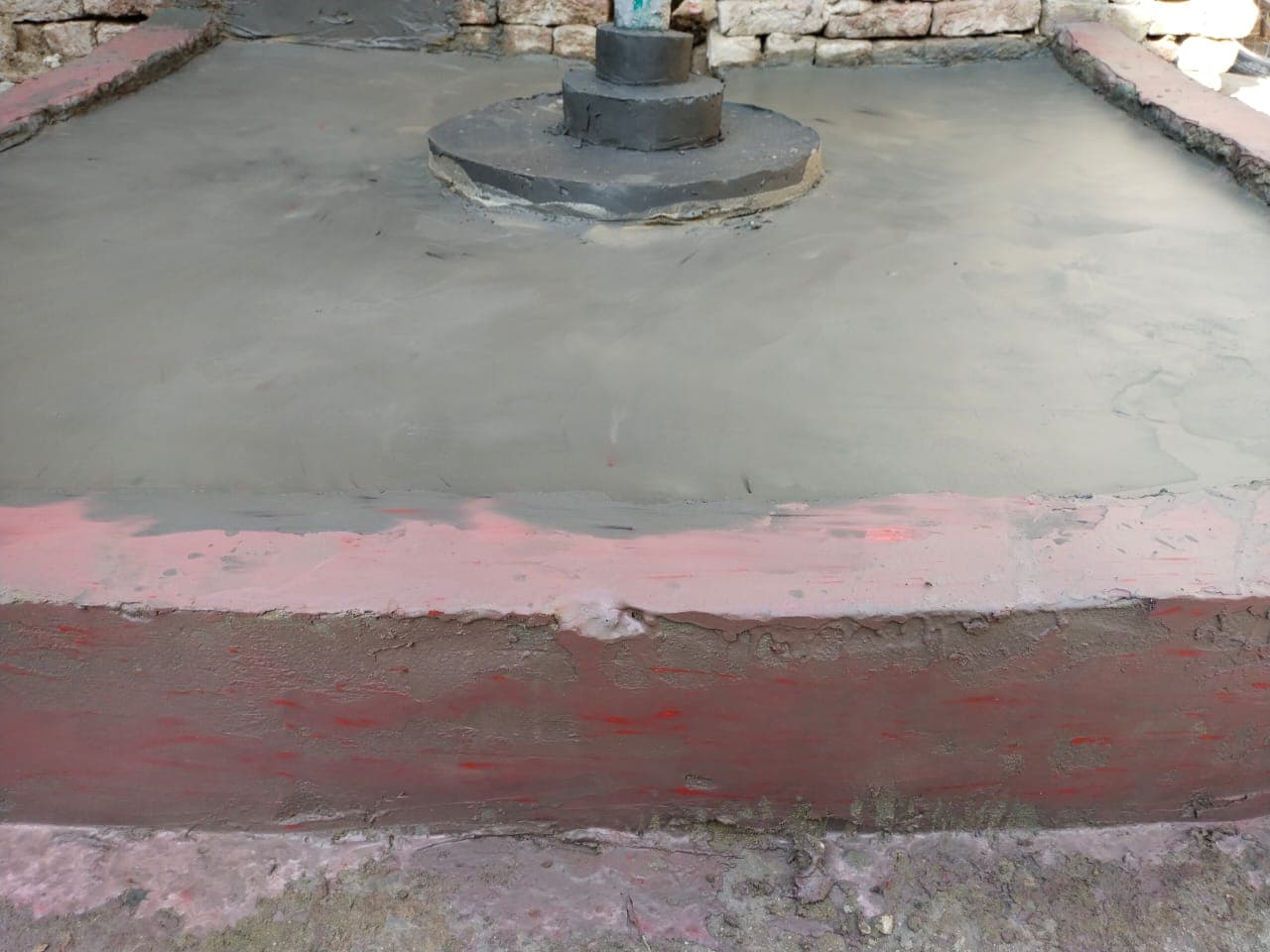
- A water well — the Sunnah of Sa'd. From £340, a hand pump with your parent's name on its plaque serves families for decades. → Donate a water well
- A share in a mosque — every prayer offered there weighs in their scale. → Build a mosque
- An orphan's education — charity and beneficial knowledge combined; deeply fitting for a parent who sacrificed for your own education. → Sponsor a child
- Ongoing food support — monthly rations for a destitute family, given consistently in their name. → Feed the poor
Make It a Habit, Not a One-Off
The Prophet ﷺ said the most beloved deeds to Allah are the most consistent, even if small (Bukhari). A modest monthly gift in your parents' name — set up once — becomes a river of reward flowing to them without you lifting a finger again. That is the quiet genius of Sadaqah Jariyah.
Based on authentic narrations and established scholarly positions; general education, not a personal fatwa.