
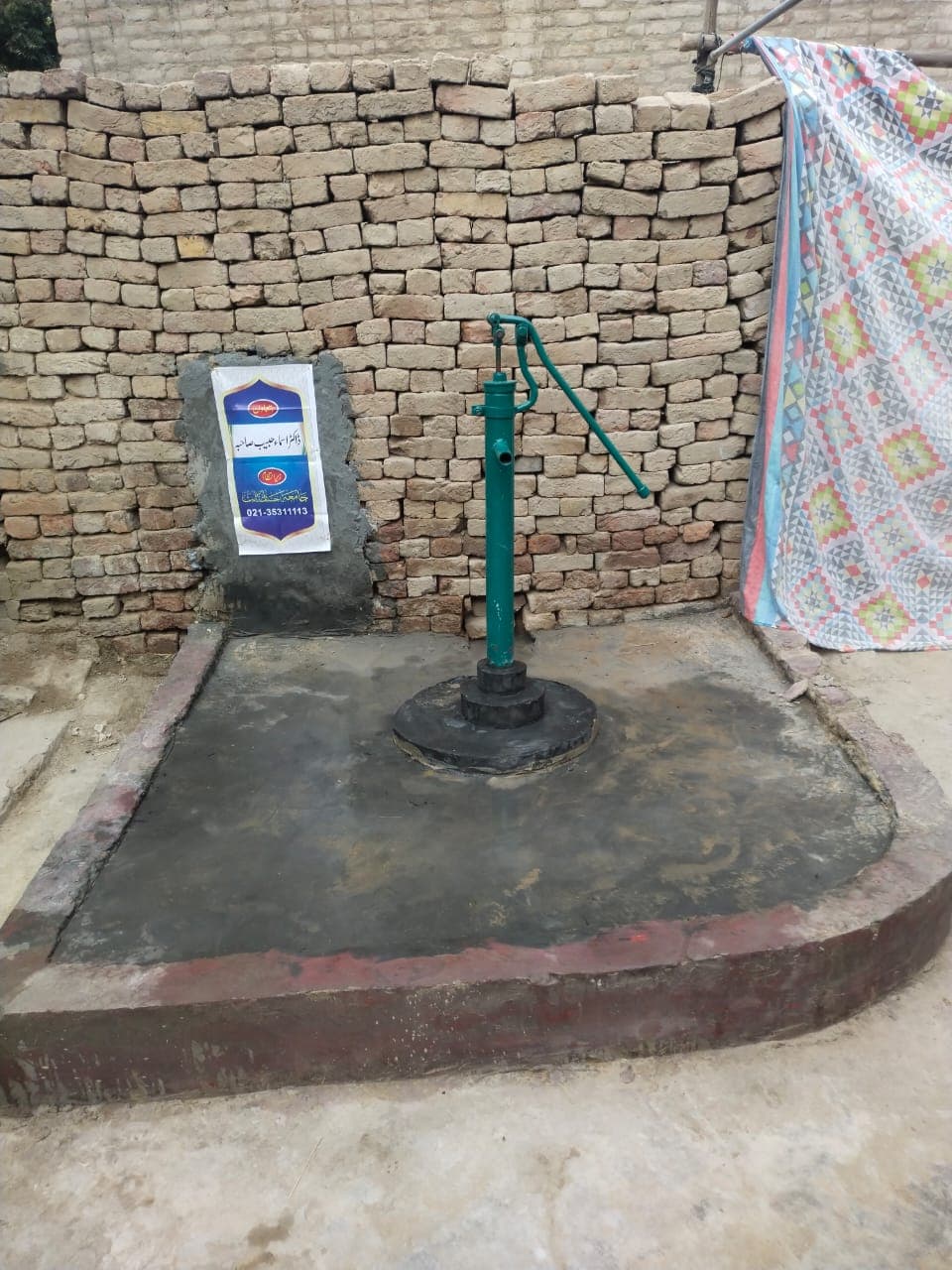
It is one of the most common questions donors ask before Ramadan: “Can I use my Zakat to build a water well?” Clean water is a life-saving gift, and a well is a beautiful Sadaqah Jariyah — so it feels natural to want to direct Zakat towards it. The answer, however, depends on a specific condition that governs how Zakat must be spent.
The Tamlik Condition — Why It Matters
Zakat is not simply “charity money”. It is a specific obligation that must be given to one of the eight categories of people named in the Qur'an:
“Zakat is only for the poor and the needy, and those employed to collect it, and for bringing hearts together, and to free captives and debtors, and for the cause of Allah, and for the stranded traveller.” — Surah At-Tawbah (9:60)
The classical scholars, and the Hanafi school in particular, require tamlik for Zakat to be valid — the funds must be handed into the ownership of an eligible individual. A water well does not become the property of one poor person; it is a shared facility owned by the whole village. For this reason, the majority view is that Zakat is not the correct fund for building wells, mosques, or schools.
The Differing Scholarly Opinion
This is an area where sincere scholars differ. A number of contemporary scholars and fatwa councils allow Zakat to fund public-benefit projects such as wells under the category of fi sabilillah (“in the cause of Allah”), interpreting it more broadly than the classical position. Those who hold this view argue that providing clean water to the destitute serves the same purpose as relieving the poor.
Because both positions are held by respected scholars, the safest approach for the cautious donor is to fund the well from Sadaqah and reserve Zakat for direct distribution to eligible individuals. If you specifically wish to use Zakat for a well, follow the ruling of a scholar you trust.
The Recommended Way: Sadaqah & Lillah
General Sadaqah, Sadaqah Jariyah, and Lillah donations carry no tamlik condition. They can be spent freely on public welfare — which is exactly what a water well is. This is why almost every water charity, including HBSMWA, funds wells through Sadaqah rather than Zakat.
At HBSMWA we keep the two funds completely separate: Zakat is distributed only to eligible recipients — orphans, widows, and the poor — while water wells are built from Sadaqah and Lillah. This protects the validity of your Zakat and lets your well-building reward flow as a clean Sadaqah Jariyah.
So, What Should You Do?
If you want to build a water well, give it as Sadaqah Jariyah — for as little as £340 you can provide a hand pump that serves a family for decades. Keep your Zakat for the eight Qur'anic categories, where the tamlik condition is met. This way both obligations are fulfilled correctly, and you earn the continuous reward the Prophet ﷺ promised to those who give water to drink.
This article is a general overview of well-known scholarly positions and is not a personal fatwa. For your specific situation, please consult a qualified scholar.