Muslims are the most generous faith community per capita — and generosity attracts both the sincere and the unscrupulous. Your Zakat is a religious obligation: if it never reaches an eligible recipient, the obligation may remain undischarged. So diligence before donating is not cynicism; it is part of the worship. Here is the checklist.
1. Legal Registration
A genuine charity is registered with the authorities of its country and will state this openly — HBSMWA, for example, is a registered welfare association in Pakistan. Registration alone doesn't guarantee good work, but its absence is disqualifying.
2. A Clear Zakat Policy
This is the test most donors skip and scholars insist on. Zakat may only reach the eight eligible categories and requires tamlik — ownership passing to an eligible person. Ask: Is Zakat kept in a separate fund? Who verifies recipients against the Nisab standard? Is Zakat ever used for buildings or admin? (It shouldn't be — wells and mosques are funded from Sadaqah, not Zakat.)
3. Photo Proof of Past Work
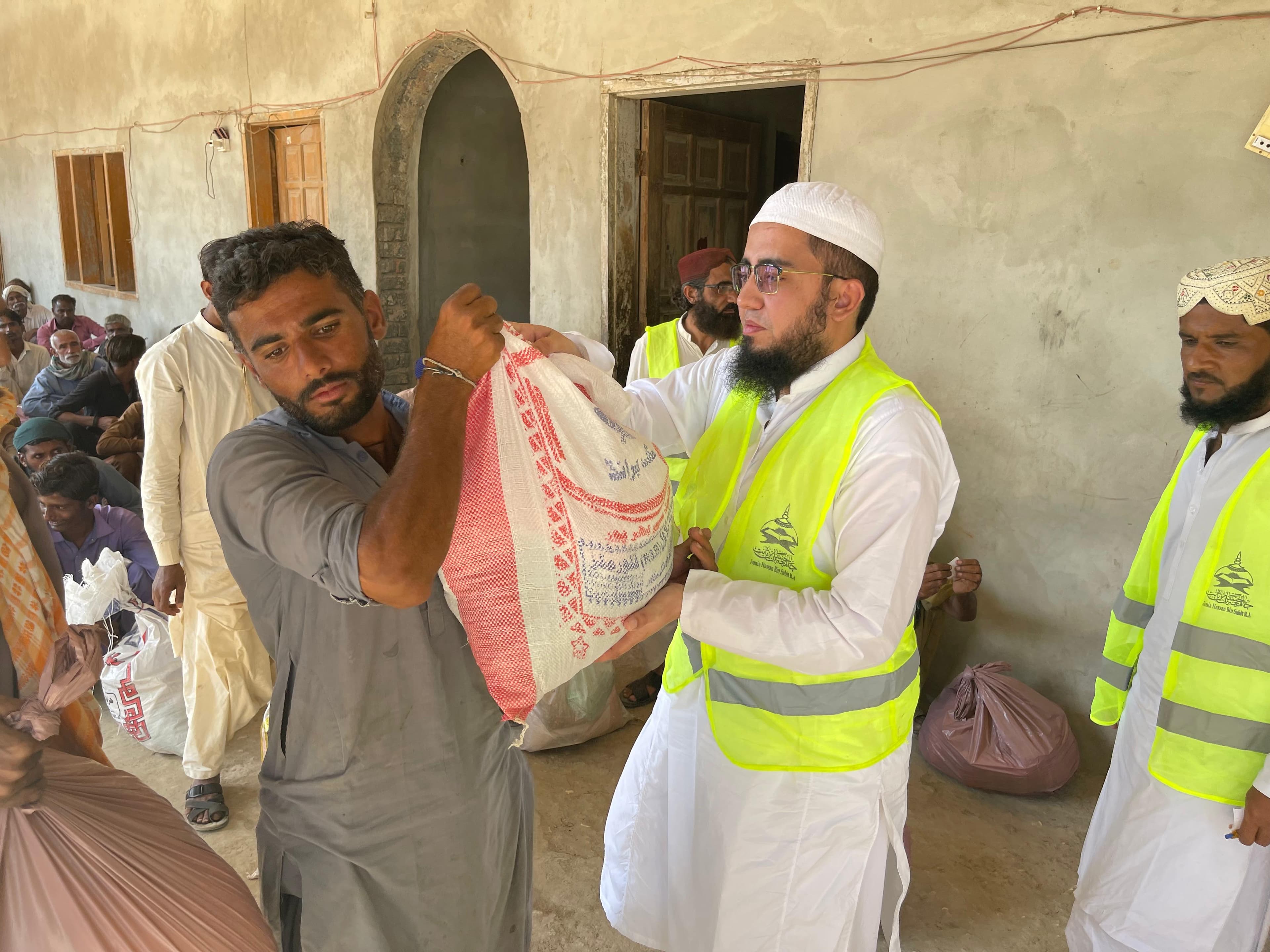
Promises describe the future; photographs prove the past. A charity that has genuinely dug wells, built mosques and fed families will have years of visual evidence — like our gallery and completed projects. Better still is donor-specific proof: your well's completion photos, your sponsored child's progress report.
4. Cause-Specific Allocation
If you give for a water well, does a well get built — or does the money vanish into a general fund? Trustworthy charities let you restrict your gift and honour the restriction. Read how HBSMWA handles this in Where Does My Donation Go?
5. A Named, Accountable Leader
Anonymous organisations diffuse blame. Look for a real person whose name and reputation stand behind the work — HBSMWA operates under its founder and CEO, Hafiz Abdul Qadir, who personally supervises projects. Accountability has a face.
6. Direct Delivery, Short Chains
Every intermediary between your donation and the beneficiary adds cost and risk. Ask whether the charity has its own team on the ground or passes funds through layers of partners. Where partners are unavoidable — as in Gaza relief — the charity should name the mechanism and show the receipts trail.
7. Honest Communication — Including Limits
Paradoxically, the strongest trust signal is a charity telling you what it cannot guarantee. Beware organisations for whom everything is always perfect. Honesty about delays, constraints and failures is the behaviour of people who expect to be held to account — and welcome it.
Apply the Checklist to Us
We wrote this list knowing you would test HBSMWA against it — please do. Start with who we are, examine what we've built, and ask us anything via the contact page. Your diligence protects the poor as much as it protects you.