
If Zakat is the pillar, Sadaqah is the air around it — the free, unmeasured generosity that fills a believer's everyday life. The Qur'an asks: “Who is it that would loan Allah a goodly loan so He may multiply it for him many times over?” (Al-Baqarah 2:245). Sadaqah is that loan — and this guide covers what it is, why it is so beloved, and the many shapes it takes.
The Meaning of the Word
Sadaqah shares its root with sidq — truthfulness. The scholars explain: charity is called sadaqah because it proves the truth of the giver's faith. Anyone can profess trust in Allah's provision; the one who gives, demonstrates it. That is why the Prophet ﷺ called Sadaqah a burhan — a proof (Sahih Muslim).
The Virtues, in the Prophet's ﷺ Own Words
- It extinguishes sin: “Sadaqah extinguishes sin as water extinguishes fire.” (Tirmidhi)
- It never diminishes wealth: “Charity does not decrease wealth.” (Muslim) — whatever leaves the hand is replaced by barakah.
- It shades you on the Last Day: “Every man will be in the shade of his charity on the Day of Resurrection.” (Ahmad)
- It stands between you and the Fire: “Guard yourselves against the Fire even with half a date.” (Bukhari)
- Allah Himself receives it: the Qur'an says Allah “accepts the sadaqat” (9:104) — the gift lands in the Hand of the Most Generous before it reaches the poor.
The Forms Sadaqah Takes
The Prophet ﷺ widened Sadaqah far beyond money:
- Wealth — cash, food, clothing, paying off someone's debt.
- Water — the charity he ﷺ called best when asked; see the water well hadith.
- A smile, a kind word — “Your smile in the face of your brother is a sadaqah.” (Tirmidhi)
- Removing harm from the path, guiding someone lost, helping a person onto their mount — all named as sadaqah in the hadith.
- Every tasbih — “Every SubhanAllah is a sadaqah…” (Muslim). The poor Companions were told their dhikr was charity they could always afford.
Sadaqah, Zakat and Sadaqah Jariyah — the Map
Zakat is the annual obligation with fixed rules — see Zakat vs Sadaqah. Sadaqah is everything voluntary on top. And Sadaqah Jariyah is Sadaqah engineered to keep giving — wells, mosques, education — covered in our Sadaqah Jariyah guide. A balanced giver uses all three: the obligation discharged precisely, everyday sadaqah given freely, and at least one ongoing charity flowing in their name — or their parents'.
Giving Sadaqah Well
- Consistency beats size: the most beloved deeds are the most regular, even if small (Bukhari). A modest monthly gift outweighs an annual splash.
- Secrecy is safer for the heart: giving quietly is praised (2:271) — though public giving that inspires others is also rewarded.
- Give from what you love: “You will never attain righteousness until you spend from that which you love.” (3:92)
- Give in hardship too: the Qur'an praises those who spend “in ease and in adversity” (3:134) — sadaqah in a tight month carries a special sincerity.
Where Your Sadaqah Can Go Today
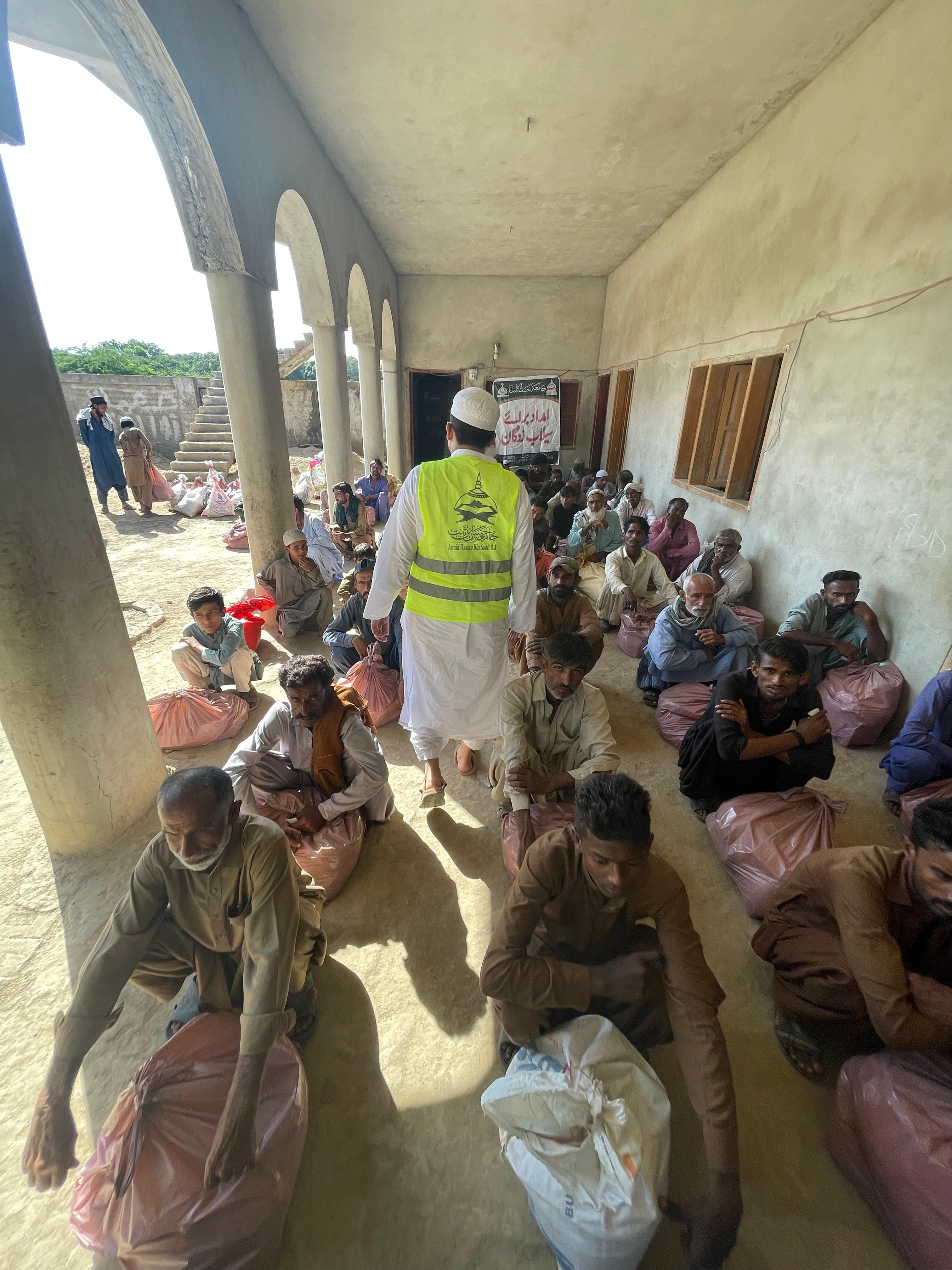
Through HBSMWA, Sadaqah funds what Zakat cannot: water wells, mosque construction, the Mango Pir orphanage, and hot meals and rations for families in Pakistan — all under our 100% donation policy, with photo proof.
Hadith cited from the major collections; this is general education, not a personal fatwa.